
Complete Siberian Cat Breed Information
Learn about the Siberian cat’s history, temperament, size, coat, grooming needs, intelligence, family compatibility, health considerations, and long-term care requirements.
A Powerful, Affectionate, and Intelligent Natural Breed
The Siberian cat is a medium-to-large natural breed known for its thick coat, strong body, rounded appearance, expressive eyes, and engaging personality. Although Siberians may look rugged and powerful, many are affectionate companions that enjoy being involved in everyday family life.
Siberian cats are often described as intelligent, playful, curious, athletic, loyal, and socially aware. Many enjoy following their people from room to room, playing interactive games, climbing, watching household activity, and resting near family members.
They are not all identical. One Siberian may be bold and adventurous, while another may be calm, observant, or especially affectionate. Early socialization, household experiences, health, genetics, and individual personality all influence adult behavior.
- Medium-to-large, strongly built cat
- Dense, weather-resistant coat
- Intelligent and interactive personality
- Often affectionate and family-oriented
- Playful, athletic, and curious
- Requires regular grooming and enrichment
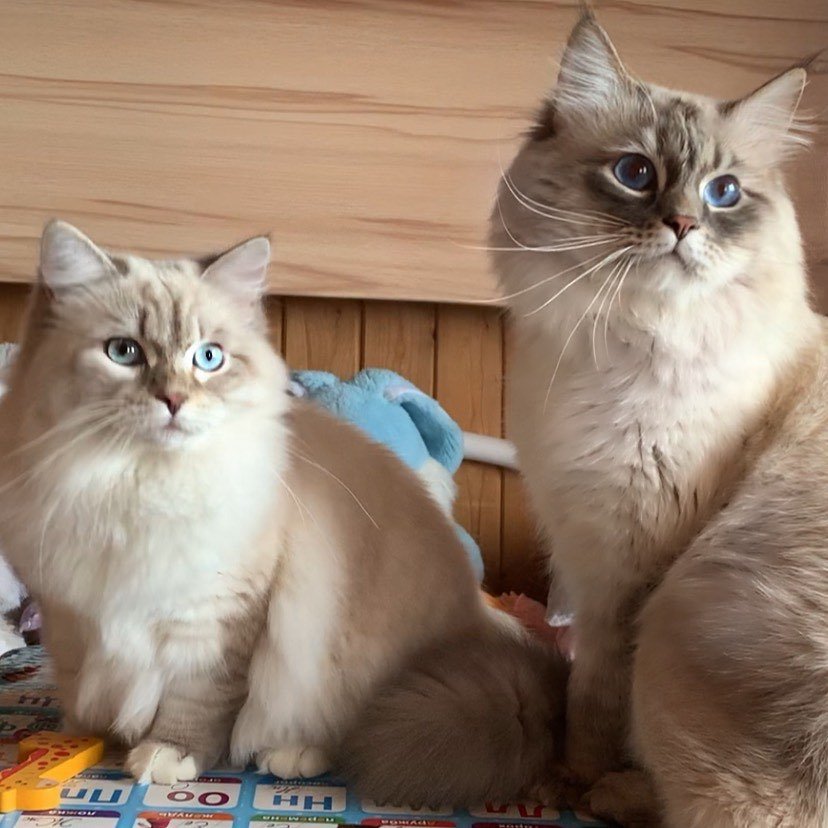
Siberian Cat Breed at a Glance
These are general breed characteristics. Individual size, temperament, development, shedding, and grooming needs can vary.
The History of the Siberian Cat
The Siberian is considered a natural cat breed, meaning its physical characteristics developed over generations with limited deliberate human selection during its early history. The breed became associated with the forests and cold climate of Russia, where a strong body and protective coat would have been useful.
Siberian-type cats have appeared in Russian stories, artwork, and traditional accounts for many years. Their dense coats, athletic abilities, and hardy appearance helped create the image of a powerful forest cat adapted to severe seasonal conditions.
Organized breeding and formal recognition developed much later than the breed’s natural history. As Siberian cats became known outside Russia, breeders began working to preserve their recognizable structure, temperament, coat, and overall type.
A Natural Forest Cat
The Siberian’s rounded body, strong legs, substantial paws, dense coat, and athletic movement are commonly associated with its history as a natural working and companion cat. Modern Siberians are household pets, but many still display excellent climbing, jumping, balance, and problem-solving abilities.
The Siberian Today
Today, Siberian cats are valued around the world for their appearance and companion qualities. Responsible breeding programs focus on health, stable temperament, sound structure, and preserving the distinctive characteristics of the breed.
Siberian Cat Temperament and Behavior
Siberian cats are often social and affectionate, but they usually retain confidence, curiosity, and an independent ability to explore and entertain themselves.
A Cat That Enjoys Learning and Interaction
Siberian cats are often quick to learn routines. They may understand feeding schedules, recognize familiar voices, anticipate household activity, and discover how to open lightweight doors or reach elevated spaces.
Their intelligence means they benefit from more than passive toys. Puzzle feeders, interactive games, climbing structures, rotating toys, training sessions, and supervised exploration help prevent boredom.
Can Siberian Cats Be Trained?
Many Siberians can learn simple behaviors through reward-based training. Some may learn to come when called, enter a carrier, use a scratching post, tolerate grooming, or respond to simple cues.
How Do Siberian Cats Communicate?
Communication varies by individual. Some Siberians are quiet, while others use chirps, trills, soft meows, purring, eye contact, body posture, and physical closeness to communicate with their families.
- Use reward-based training
- Provide puzzle toys and interactive play
- Rotate toys to maintain interest
- Teach carrier and grooming routines early
- Observe body language as well as vocal sounds
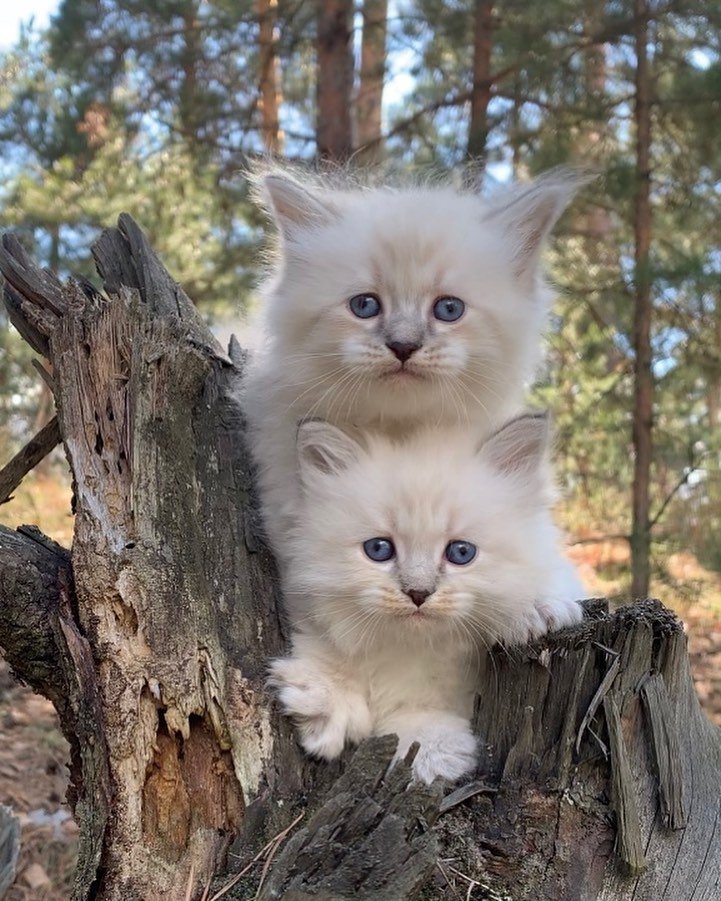
Are Siberian Cats Good Family Pets?
Many Siberian cats do well in family homes when they receive respectful handling, regular play, proper care, and safe introductions.
Siberian Cats and Children
Many Siberians enjoy active families, but children must learn gentle handling. They should not chase, squeeze, pull the coat, disturb the cat while eating, or prevent the cat from leaving an interaction.
Siberian Cats and Dogs
Siberians may live successfully with calm, cat-safe dogs when introductions are gradual. The cat should have elevated escape areas, and chasing should never be permitted.
Siberian Cats and Other Cats
Many Siberians enjoy feline companionship, but compatibility is not automatic. Separate spaces, scent exchange, slow introductions, and adequate litter boxes help reduce conflict.
Apartment Living
A Siberian can live in an apartment when provided with vertical space, climbing furniture, scratching posts, secure windows, regular play, and enough room to move comfortably.
Busy Households
Many Siberians enjoy activity, but they still need quiet resting areas. Constant noise, rough handling, or unpredictable disturbance can create stress.
Long-Term Companionship
A Siberian cat requires a lasting commitment to feeding, grooming, veterinary care, enrichment, litter maintenance, housing, and emotional companionship.
What Does a Siberian Cat Look Like?
Siberian cats have a substantial, rounded, and powerful appearance. Their bodies are muscular and balanced rather than narrow or delicate. The chest is broad, the legs are strong, and the paws may appear large and rounded.
The head generally has soft, rounded contours. The eyes are expressive and may appear slightly oval or rounded depending on the individual. The ears are medium in size and may have noticeable furnishings.
The Siberian Coat
The coat is one of the breed’s most recognizable features. It is dense, layered, and adapted to changing seasons. Texture, length, and fullness may vary according to age, season, genetics, health, and living environment.
Coat Colors and Patterns
Siberian cats may appear in many colors and patterns, including tabby, solid, smoke, silver, golden, tortoiseshell, and combinations with white. Some registries and breeders also recognize colorpoint Siberians, often referred to as Neva Masquerade.
- Strong, rounded, and muscular body
- Broad chest and powerful legs
- Large, rounded paws
- Dense, layered coat
- Expressive eyes
- Many possible colors and patterns
How Large Do Siberian Cats Become?
Siberian cats are generally medium to large, but adult size varies. Males are often larger and more heavily built than females. Genetics, nutrition, activity, health, and development all influence final size.
Young Siberian kittens may go through periods when their legs, ears, coat, and body seem temporarily out of proportion. This can be a normal part of growth. Their full coat and mature body may take time to develop.
| Characteristic | General Description | Important Note |
|---|---|---|
| Adult Build | Medium to large, muscular, rounded, and substantial | Individual cats may be smaller or larger |
| Male Siberians | Often larger, broader, and more heavily built | Size should not be guaranteed from kitten age alone |
| Female Siberians | Often somewhat smaller but still solid and athletic | Body type varies by bloodline and individual |
| Maturity | Physical development may continue beyond the first year | Coat and muscle may change with age and season |
Are Siberian Cats Hypoallergenic?
No cat is completely hypoallergenic. Cat allergies are often related to proteins produced by the cat and spread through saliva, skin particles, and grooming. Hair length alone does not determine whether a person will react.
Some people report fewer symptoms around certain Siberian cats than around other cats. However, allergen production varies between individual cats, and human sensitivity also varies.
A person who tolerates one Siberian cat may still react to another. A brief visit may also fail to predict how someone will respond after living with a cat continuously.
Before Adopting with Cat Allergies
- Speak with a qualified medical professional
- Spend time around Siberian cats when possible
- Do not rely only on the word “hypoallergenic”
- Consider household cleaning and ventilation needs
- Understand that no breeder can guarantee no allergic reaction
Siberian Cat Grooming Requirements
The Siberian coat requires regular care, especially during seasonal shedding. Grooming removes loose hair, helps prevent tangles, allows skin inspection, and reduces the amount of hair left around the home.
Brushing and Combing
Begin grooming during kittenhood with short, calm sessions. Use tools suitable for a dense coat and pay attention to areas where tangles may form, including behind the ears, under the chest, around the legs, and near the tail.
Seasonal Shedding
Siberian coats may change significantly with the seasons. During heavier shedding, more frequent brushing may be necessary. Indoor lighting and climate can also influence coat cycles.
Bathing
Frequent bathing is not usually necessary for a healthy indoor Siberian. Bathing may be appropriate when the coat becomes dirty, exposed to an unsafe substance, or when recommended for a medical reason.
Nails, Ears, and Teeth
Routine care should also include nail trimming, ear observation, and dental guidance. Cat-safe products should be used, and human toothpaste should never be applied to a cat’s teeth.
- Brush regularly throughout the year
- Increase grooming during heavy shedding
- Introduce grooming during kittenhood
- Check for tangles close to the skin
- Trim nails safely
- Discuss dental care with a veterinarian
Keeping a Siberian Cat Active and Engaged
Siberians are athletic cats that often enjoy climbing, jumping, chasing, carrying toys, exploring tunnels, and observing their surroundings from elevated locations.
They benefit from a home designed to support natural behavior. Sturdy cat trees, wall shelves, scratching posts, window perches, tunnels, interactive toys, and puzzle feeders can all provide useful enrichment.
Daily Interactive Play
Several short play sessions are often more effective than one long session. Wand toys, rolling toys, puzzle activities, and supervised chase games help provide exercise and mental stimulation.
Preventing Boredom
Bored cats may develop unwanted behaviors such as excessive scratching, nighttime activity, attention-seeking, overeating, or rough play. Rotate toys and provide a variety of safe experiences.
- Provide sturdy vertical climbing space
- Offer both vertical and horizontal scratchers
- Use daily interactive play sessions
- Rotate toys to maintain interest
- Provide safe window views and hiding places
- Supervise toys with strings or small parts
Feeding a Siberian Cat
Siberian cats need nutritionally complete food appropriate for their age and health. Kittens require food formulated for growth, while adults need portions and nutrition suitable for their body condition, activity, and medical needs.
Monitor Body Condition
A thick coat can make weight changes difficult to notice. Owners should monitor body condition through regular handling and veterinary examinations rather than judging weight by appearance alone.
Fresh Water
Clean water should remain available at all times. Some cats drink more readily from wide bowls or fountains, but all containers should be cleaned regularly.
Diet Changes
Sudden food changes may cause digestive upset. New foods should generally be introduced gradually unless a veterinarian directs an immediate change.
Supporting a Siberian Cat’s Long-Term Health
Siberian cats can be healthy and active companions, but no breed is free from possible health concerns. Responsible breeding, veterinary care, good nutrition, healthy body condition, safe housing, and early attention to symptoms all contribute to long-term well-being.
Routine Veterinary Care
Regular examinations allow a veterinarian to monitor body condition, heart and lung sounds, teeth, eyes, ears, skin, coat, mobility, and changes in behavior or appetite.
Heart Health
Heart disease can occur in cats, including inherited or acquired conditions. Responsible breeding programs may use veterinary examinations, family history, and appropriate screening to guide breeding decisions.
Weight and Joint Health
Siberians are naturally substantial, but excessive body fat should not be confused with healthy breed size. Maintaining a healthy weight supports mobility, heart health, grooming ability, and overall quality of life.
Dental and Urinary Health
Owners should watch for bad breath, difficulty eating, changes in drinking, straining to urinate, frequent litter-box visits, blood, or urination outside the box. These changes require veterinary attention.
- Schedule routine wellness examinations
- Maintain vaccinations and parasite prevention
- Monitor weight and body condition
- Watch appetite, breathing, drinking, and litter habits
- Use verified health records and testing information
- Seek veterinary care promptly for concerning changes
Advantages and Responsibilities of Owning a Siberian Cat
The Siberian may be an excellent companion for the right home, but families should understand both the appealing qualities and the responsibilities involved.
Why Families Love Siberians
Many are affectionate, intelligent, playful, attractive, interactive, and adaptable. They may form close relationships with their families and remain playful into adulthood.
Grooming Commitment
The dense coat requires regular care, especially during seasonal shedding. Families should be prepared for brushing, loose hair, nail care, and cleaning.
Space and Enrichment
Siberians need safe climbing, scratching, play, and mental stimulation. A home without enrichment may not meet their behavioral needs.
Veterinary Responsibility
Owners must budget for routine examinations, vaccinations, parasite prevention, dental care, emergencies, and possible health conditions.
Safe Indoor Living
Secure indoor housing protects cats from traffic, predators, disease, theft, toxins, weather, and getting lost.
Long-Term Commitment
Adoption should be treated as a long-term responsibility involving time, money, care, housing, companionship, and planning for life changes.
Siberian Cat Information FAQ
Are Siberian cats affectionate?
Many Siberians are affectionate and enjoy staying close to their families. Individual behavior varies, and some cats are more physically affectionate than others.
Are Siberian cats hypoallergenic?
No cat is completely hypoallergenic. Some people report fewer symptoms around certain Siberians, but reactions vary by person and by individual cat.
Do Siberian cats shed heavily?
They can shed significantly during seasonal coat changes. Regular grooming helps manage loose hair and reduce tangles.
Are Siberian cats good with children?
Many are suitable for families when children are taught respectful, gentle handling and early interactions are supervised.
Can Siberian cats live with dogs?
Many can live with calm, cat-safe dogs when introductions are gradual and chasing or cornering is prevented.
Do Siberian cats need a lot of grooming?
They need regular grooming, with increased attention during heavy shedding. Coat texture and individual grooming needs vary.
Are Siberian cats active?
Siberians are often athletic and playful. They benefit from climbing structures, scratching posts, interactive toys, and daily play.
Can Siberian cats live in apartments?
Yes, when they receive sufficient vertical space, exercise, enrichment, secure windows, and daily interaction.
How large do Siberian cats become?
They are generally medium to large. Males are often larger than females, but final size varies and cannot be guaranteed from kitten age alone.
Where can I find available Siberian kittens?
Visit the Winter Whiskers Available Kittens page and contact us to confirm current availability.
Complete Siberian Cat Information from Winter Whiskers
Siberian cats are medium-to-large, strongly built cats known for their dense coats, intelligence, athleticism, curiosity, and affectionate personalities. They are often interested in family life and may enjoy following people, climbing, playing, resting nearby, and investigating household activity.
Families researching Siberian kittens should learn about grooming, shedding, nutrition, veterinary care, enrichment, safe indoor housing, allergy concerns, litter maintenance, and the long-term cost of cat ownership before adopting.
Siberian Cat Temperament
The Siberian cat temperament is commonly described as intelligent, playful, affectionate, and confident. Individual personalities vary, and a kitten’s behavior is influenced by genetics, health, early socialization, household experiences, and continued handling.
Siberian Cat Grooming and Coat Care
The Siberian coat is dense and may shed heavily during seasonal changes. Regular brushing helps remove loose hair, prevent tangles, and maintain skin and coat condition. Nail trimming, dental guidance, and ear observation should also be part of routine care.
Siberian Cats and Allergies
Siberian cats are sometimes described as hypoallergenic, but no cat can be guaranteed not to cause an allergic reaction. Anyone with allergies should consult a medical professional and spend time around Siberian cats when possible before making an adoption decision.
Finding a Siberian Kitten
Families interested in a Winter Whiskers kitten can review our available Siberian kittens, learn about our breeding philosophy, read our health guarantee, and explore pickup and delivery options.
Our Siberian kitten care guide provides additional guidance about feeding, grooming, litter habits, socialization, home preparation, veterinary care, and the first days after bringing a kitten home.
To ask about current availability, future litters, health information, temperament, pickup, or delivery, use our contact page.
Is a Siberian Cat Right for Your Family?
Explore our available Siberian kittens or contact Winter Whiskers to ask about temperament, health, grooming, reservations, pickup, and delivery.